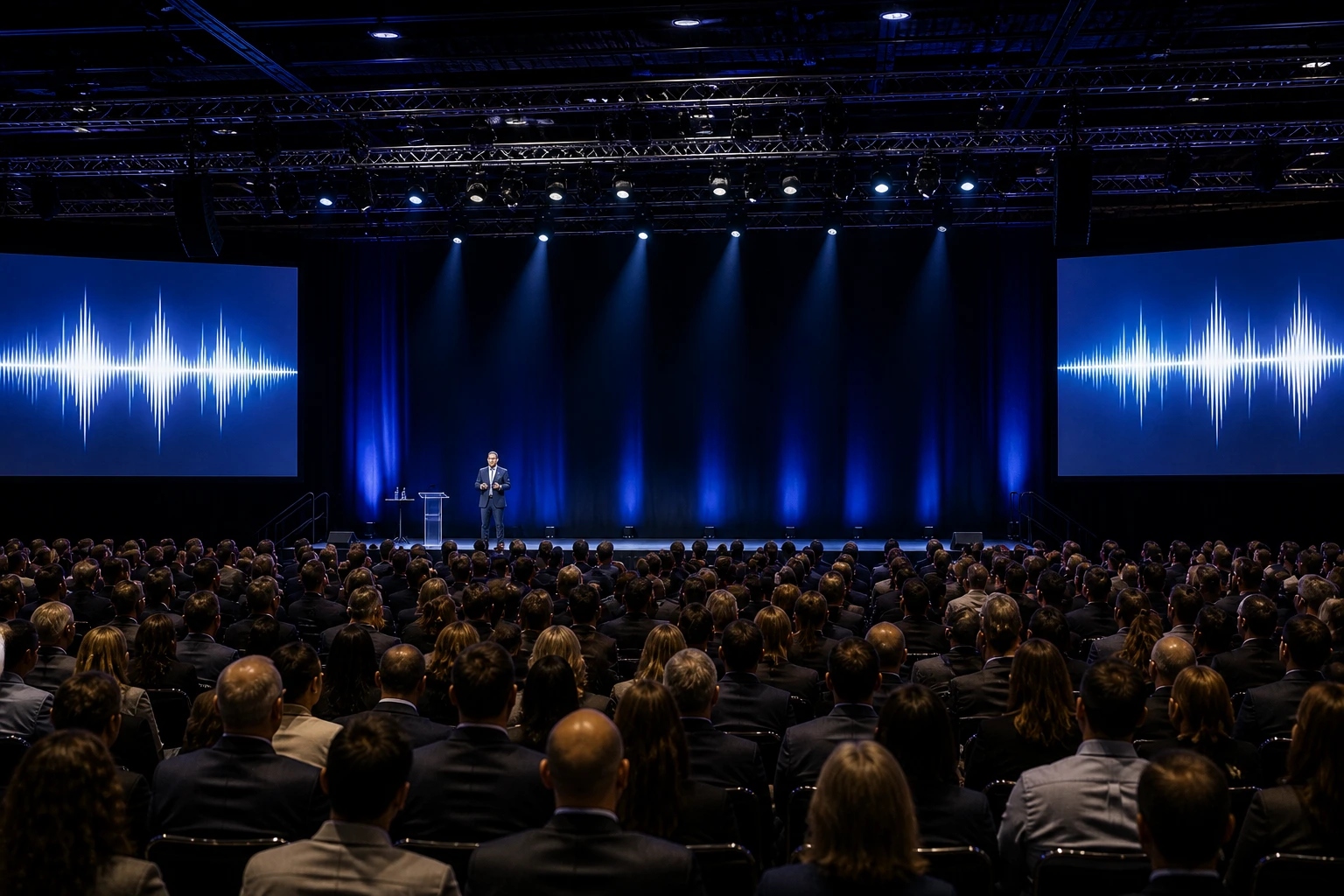
A corporate emcee for sales kickoff is the operator who holds the room through every transition between speakers, segments, awards, and energy shifts across a multi-hour program. The corporate emcee for sales kickoff is not the host who reads slides off a script. The role is closer to a stage manager with a microphone — running the room timing, building the energy before the CEO walks on, handling the moments that go off-script, and making sure leadership remembers the kickoff as designed rather than improvised. Here are five essential moves a corporate emcee for sales kickoff brings to every booking.
What a Corporate Emcee for Sales Kickoff Actually Does
A corporate emcee for sales kickoff is on stage and behind the scenes simultaneously. On stage, the emcee opens the program, introduces speakers, handles awards announcements, and closes the day. Behind the scenes, the corporate emcee for sales kickoff is reading the room, monitoring program timing, coordinating with the AV team on cue handoffs, and making real-time adjustments when a speaker runs long or a segment gets reshuffled. The visible work is what the audience sees. The invisible work is what makes the visible work look effortless.
The corporate emcee for sales kickoff also serves as the brand voice of the program. Tone register matters. A pharmaceutical company kickoff carries different tone defaults than a streaming platform kickoff. A federal contractor kickoff lands differently than a tech startup. The emcee reads the brand brief and matches every word, every introduction, every transition stinger to the register the brand operates in. A wedding-style emcee using their normal tone at a corporate kickoff signals immediately that the operator is in the wrong lane.
The Five Essential Moves of a Corporate Emcee for Sales Kickoff
1. Open the Kickoff With Purpose
The first three minutes of any sales kickoff set the tone for the entire program. A corporate emcee for sales kickoff opens with energy that pulls the room into the kickoff theme, frames what is about to happen, and primes the audience for the keynote that follows. The opening is not improvised — it is scripted, rehearsed, and timed to the second. The walk-on music handoff to the first speaker has to land clean. Done right, the audience is leaning in before the keynote starts. Done poorly, the keynote works uphill from minute one.
2. Bridge Every Speaker Transition
Speaker transitions are where most sales kickoff programs stall. A corporate emcee for sales kickoff scripts every transition with three elements: a closing acknowledgment of the outgoing speaker, a quick narrative bridge that ties the previous segment to the next, and a clean introduction of the incoming speaker. The audience never feels the transition because it has been designed to disappear. When transitions stall, leadership notices. When transitions land, leadership notices the speakers, not the emcee.
3. Handle Mid-Event Scope Shifts
Sales kickoffs almost always shift mid-event. A keynote runs ten minutes long. A guest speaker arrives late. An awards segment gets reshuffled. A corporate emcee for sales kickoff has systems for handling these shifts without ever escalating to the planner. Backup intros for late speakers. Pre-scripted filler narration if a segment needs a one-minute hold. A clear protocol for moving awards to a later block. The audience never knows the program changed because the emcee absorbed the change.
4. Run the Awards Segment Tight
The awards segment is the highest-stakes moment of any sales kickoff. A corporate emcee for sales kickoff runs walk-on music tight to the second, builds anticipation in the pause before each name is read, and lifts the energy clean when the winner crosses the stage. A poorly executed awards program drags. A well-executed one builds room momentum that carries through to the close. Recipients remember which kickoffs honored them well, and the emcee is the operator running that experience.
5. Close the Kickoff With Intention
The last twenty minutes of a sales kickoff determine how leadership and attendees remember the program. A corporate emcee for sales kickoff engineers the closing arc with intention — a controlled rise of energy through the final keynote, a clean handoff to the closing remarks, and a track that exits the room with the audience. The kickoff leaves an aftertaste that lingers through the post-event week. Sales teams head into the rest of the quarter remembering a program that felt designed, not improvised.
When You Need a Corporate Emcee for Sales Kickoff
Not every sales kickoff needs a dedicated corporate emcee. A small internal team huddle does not. A 250-person regional kickoff with multiple speakers, awards programming, and leadership in the room does. The threshold is whether the program runs longer than ninety minutes, whether multiple production elements need coordination, and whether the audience includes senior leadership watching for execution quality. At that threshold, a corporate emcee for sales kickoff is what separates a polished program from a clunky one.
Pricing for a corporate emcee for sales kickoff typically starts at $3,500 for a half-day kickoff with single emcee execution and scales to $7,500+ for full-day programs with extensive awards segments, multiple speakers, and tight production coordination requirements. The cost reflects the operational scope — not hours behind a microphone.
Why Senior Sales Planners Book the Same Emcee Twice
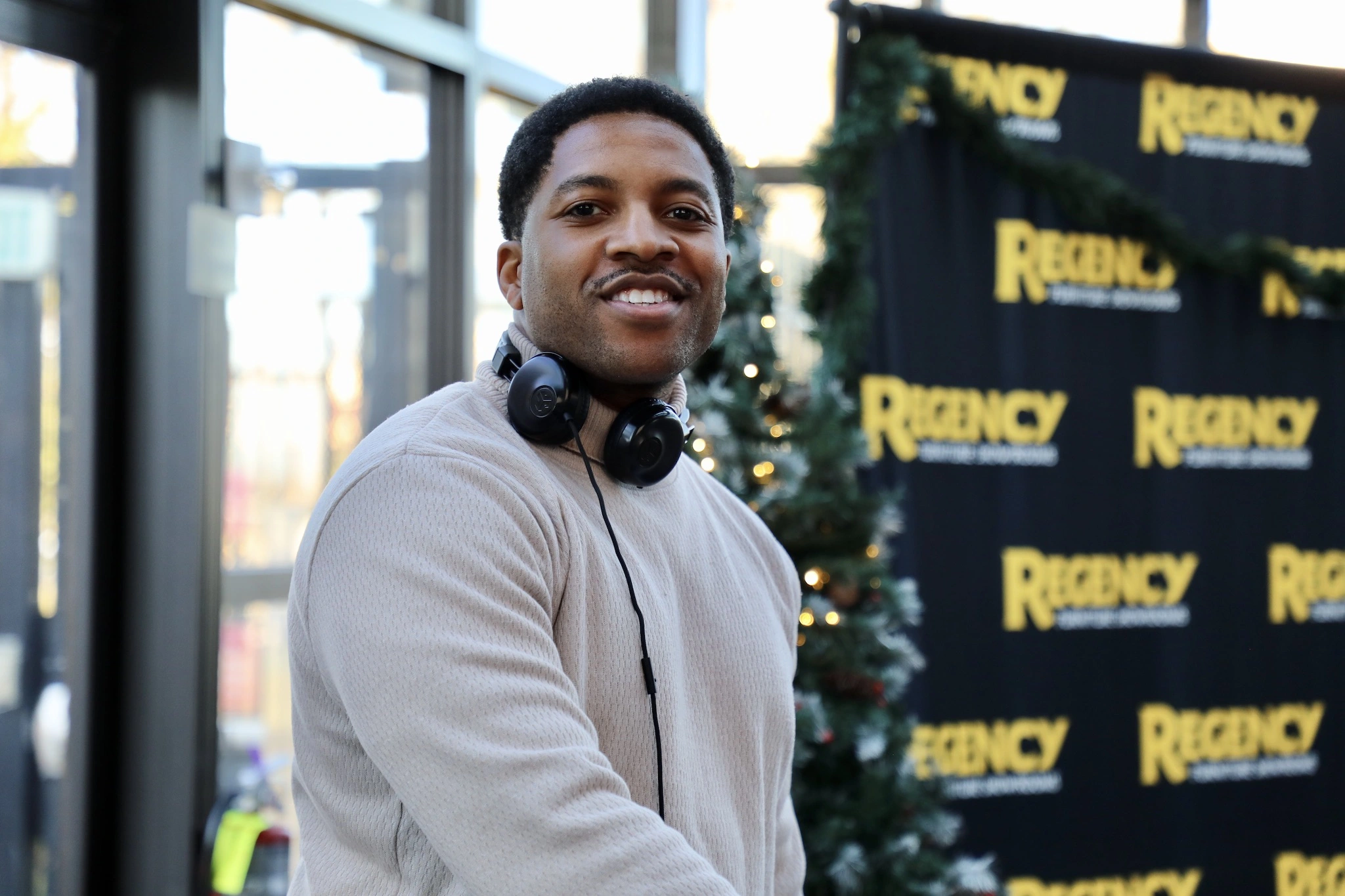
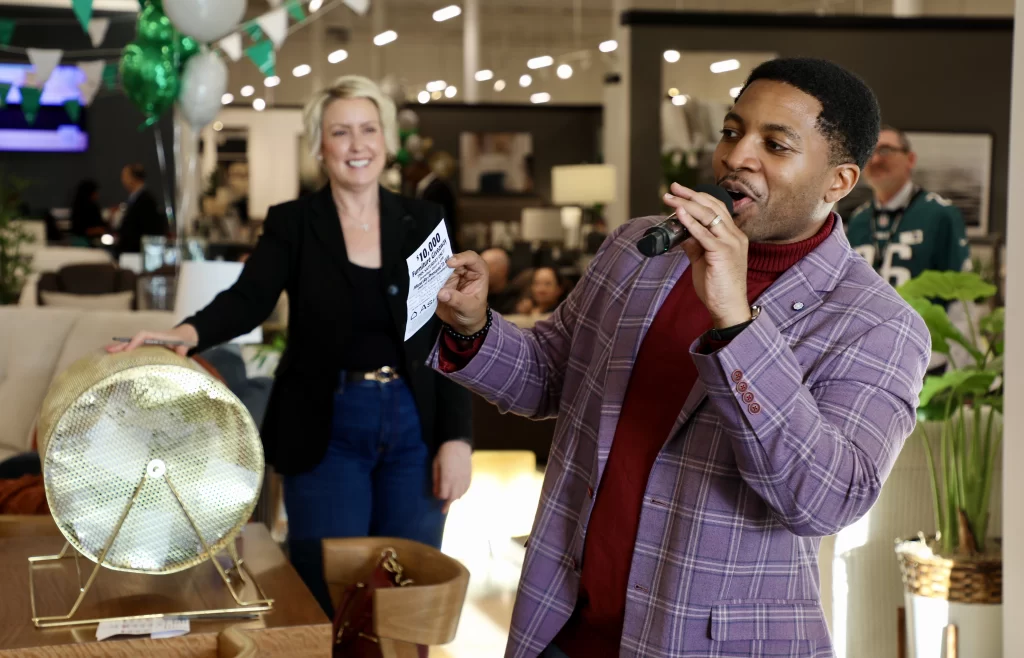
The clearest signal of operator quality is whether senior sales planners book the same emcee twice. DJ Reese has executed repeat engagements for LIDL US across multiple grand opening cycles, returned to PUMA brand activations on consecutive campaign cycles, and rebooked annually for Fox Corporation programs. Repeat bookings happen for one reason, the operational layer holds up. Run-of-show coordination is reliable. Mid-event scope shifts get handled without escalation. The kickoff runs from arrival to load-out with the kind of execution that lets the sales leadership focus on the keynote message, not the operator running the room.
How to Book a Corporate Emcee for Sales Kickoff
The fastest path to a real quote for a corporate emcee for sales kickoff is the pricing calculator on this site — it returns a real-world estimate in under thirty seconds based on kickoff length, location, audience size, and add-ons. From there, a planning call walks through the run-of-show, the awards segment specifics, and any speaker coordination requirements. The full proposal arrives within forty-eight hours.
For industry-level context on sales kickoff execution standards, see resources from BizBash, the leading publication for event professionals. For related operator-tone reading, see: conference and summit DJ services, gala and awards DJ services, executive and private function DJ services, and the corporate DJ pricing calculator.
Frequently Asked Questions
What is the difference between a corporate emcee and a corporate event host?
A corporate emcee for sales kickoff runs the program from the stage with active room control, real-time energy reads, and coordination with the AV and content teams. A corporate event host reads from a script and steps off the stage between segments. Both can show up under similar titles, but the operational depth is meaningfully different.
Does a corporate emcee for sales kickoff also DJ?
In most senior operator bookings, yes. The corporate emcee for sales kickoff also runs the music portion of the program — walk-on tracks, transition stings, awards walk-ons, closing arc. Having one operator handle both the mic and the music portion removes coordination friction and lets the program move faster.
How early should we book?
Lock in the corporate emcee sixty to ninety days before kickoff date for premium dates. Q1 sales kickoff season fills earliest. Booking late forces a stripped-down version of the work or the wrong operator entirely.
Service Areas and How to Start
Primary service metros include New York, Washington DC, Los Angeles, Philadelphia, Atlanta, and the full New Jersey tri-state area. Travel happens nationwide for the right project. For urgent timelines, direct contact at [email protected] or (856) 538-2582 gets a same-day response. DJ Reese has been the experience designer behind LIDL US grand openings, PUMA brand activations, Fox Corporation internal programs, and Fortune 500 corporate events nationwide since 2007. Seven plus years of operator-first execution behind every booking, and 105 Google reviews at five stars to back it up.
What Most Operators Get Wrong About the Sales Kickoff Lane
The most common failure mode is treating the role as a public-speaking gig. Operators who run on stage presence alone get lucky in some rooms and crater in others. A corporate emcee for sales kickoff is not a TED talker — the work is operator-level program control with a microphone, not personality-driven hosting. The discipline shows up in the cue sheets, the pre-scripted transitions, the backup intros for late speakers, and the post-event recap that captures what worked and what did not.
The second failure mode is over-scripting. Some operators write so much narration that the program loses breathing room and the emcee starts to dominate moments that belong to the actual speakers. A corporate emcee for sales kickoff knows when to stay quiet. The narration exists to bridge moments, not to compete with them. The right ratio is heavy preparation, light delivery. Leadership in the room remembers the speakers, not the emcee — and that is the goal.
How a Sales Kickoff Differs From a Regular Conference
Sales kickoffs run on a different energy curve than general conferences. The audience is internal employees, not external attendees. The keynote often delivers strategic news that affects compensation, territory, or organizational structure. The awards segment recognizes top performers in front of their peers. The closing remarks need to send the sales team into the rest of the year with momentum. A corporate emcee for sales kickoff knows the internal-employee energy curve and runs it differently than a conference where the audience is paying to attend.
The brand-voice register also runs tighter at internal sales programs. The audience knows the company language. The awards recipients are colleagues. The CEO is in the room watching. A corporate emcee for sales kickoff who comes in with a generic event-emcee voice signals immediately that the operator has not done the brand prep work. The right emcee reads the company tone in the planning call and matches it from the opening sentence.
A Word on Q1 Kickoff Season Timing
Q1 sales kickoff season is the busiest stretch on the corporate emcee calendar. Most Fortune 500 sales kickoffs land in January and February, with regional and division-level kickoffs spilling into March. The operator pool that actually does this work well is meaningfully smaller than the general DJ market, which means premium dates lock four to six months out. Booking in October for a January kickoff is normal. Booking in December for a January kickoff almost always means accepting the second-tier operator pool. The smartest sales planners run their corporate emcee booking on the same timeline as their venue booking.
For regional kickoffs in secondary metros, timing is slightly more flexible — usually three months out is enough. For national kickoffs at premium venues, six months out is the safer planning window. The investment range for a corporate emcee for sales kickoff scales with the booking timeline, but more importantly with the scope: half-day single-location kickoffs run different rates than multi-day national programs.
What to Have Ready Before the Planning Call
The planning call moves fastest when the planner walks in with five things ready: the run-of-show document (even if draft), the speaker list with bios, the awards categories and recipients (or at least how the awards are structured), the brand-safe music guidelines from the corporate communications team, and the venue specifics including any AV team contact information. With those five inputs, the operator can build the cue sheet and transition script in days rather than weeks. Without them, the prep work stretches and the timeline pressure shifts to the planner.
One last operational note: planners new to working with a senior operator sometimes underestimate how much friction the right hire removes from the entire kickoff week. The operator owns the music portion, the room flow, and the day-of timing pressure. That frees the planner to handle leadership coordination, content reviews, and the inevitable last-minute changes that no agenda survives intact.