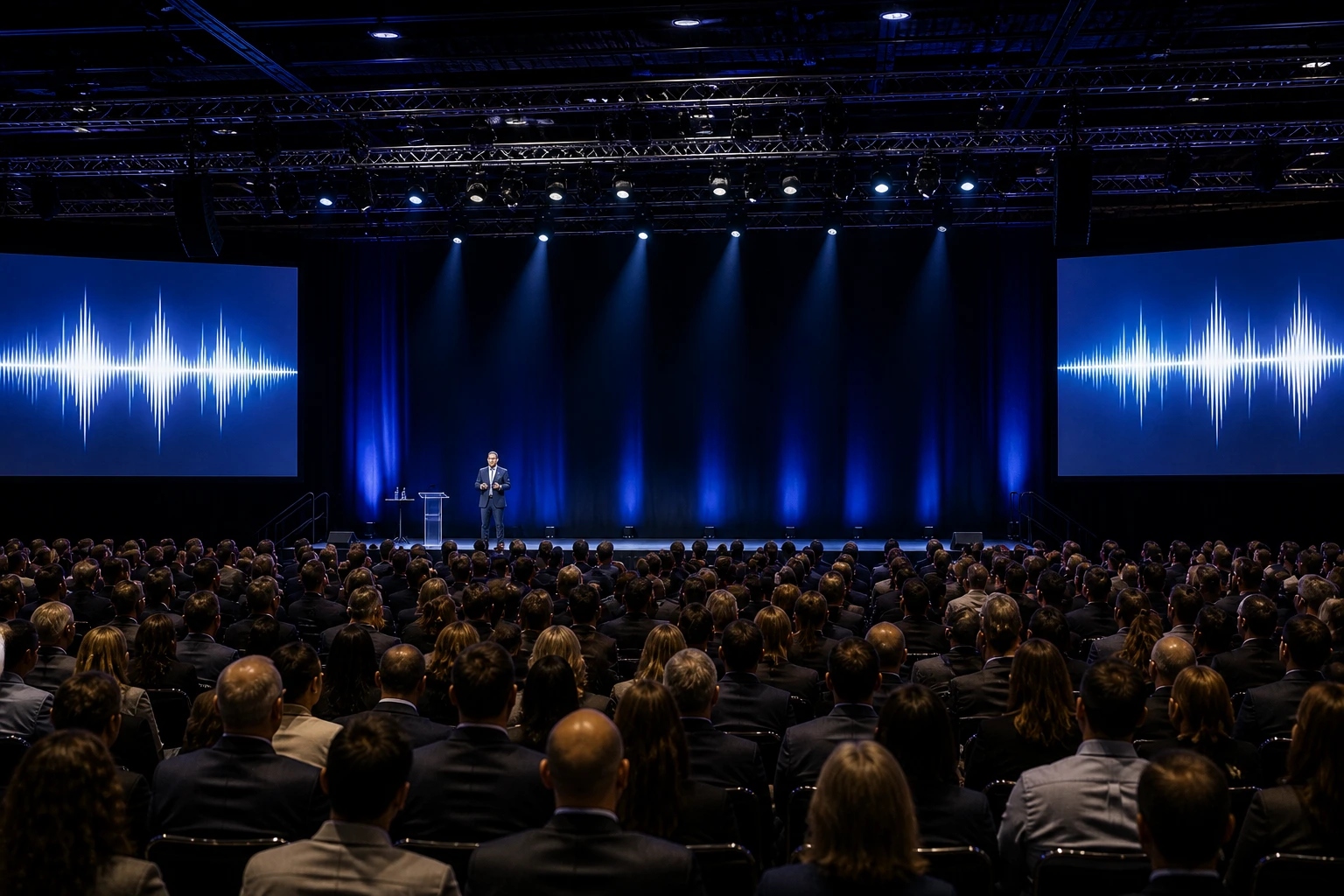
The honest answer to why corporate events fall flat is operational. The agenda was solid. The venue was right. The catering was fine. And the room still felt off. Why corporate events fall flat is rarely about content — it is about the operational layer between the agenda items. The transitions that stalled. The energy curve that never got designed. The brand register that did not match the audience. The cue handoffs that landed late. Here are seven real operator reasons why corporate events fall flat, drawn from Fortune 500 execution rather than generic event-blog advice. If your last program felt clunky and you cannot name why, one of these is almost always the answer.
The Seven Real Reasons Why Corporate Events Fall Flat
1. Nobody Owned the Energy Curve
The most common reason why corporate events fall flat is that nobody on the production team owned the energy curve. The agenda got designed. The speakers got booked. The catering got planned. But nobody asked what the room should feel like at minute thirty, hour two, hour three. The energy ran on accident. When you cannot point to a single operator responsible for the room’s emotional arc, why corporate events fall flat becomes obvious — there was no design layer to begin with.
2. Speaker Transitions Were Not Scripted
Why corporate events fall flat at the transition windows? Because transitions were treated as gaps to fill rather than designed moments. Five minutes between speakers becomes five minutes the room loses focus. The audience checks phones. The energy drops. The next speaker walks on cold. A scripted transition with music handoff, narrative bridge, and clean speaker introduction prevents this. Why corporate events fall flat is often a transition-design failure that compounds across every handoff in the program.
3. The Brand Register Was Off
Why corporate events fall flat when the music and emcee tone do not match the brand? Because the audience reads the disconnect within minutes. A pharma compliance company with a club-style operator. A federal contractor with a wedding-DJ playlist. A tech startup with overly formal narration. The brand register has to be calibrated in the planning call and matched throughout the event. Why corporate events fall flat is often the operator using their default register instead of the brand’s actual register.
4. Mid-Event Scope Shifts Stalled the Room
Why corporate events fall flat when programs shift mid-event? Because the operator did not have systems to absorb the shift. A keynote runs ten minutes long. The awards segment gets reshuffled. A sponsor moment gets added. When the operator handles these shifts gracefully, the audience never knows. When the operator improvises without a contingency plan, the room visibly stalls while the team scrambles. Why corporate events fall flat is often a mid-event shift the production team was not prepared to absorb.
5. The Awards Segment Dragged
Why corporate events fall flat during awards programming? Because the segment got treated as a list of name reads instead of a designed sequence. No deliberate pauses. No walk-on music timed to the second. No recipient photo window managed. No bridges between categories. A poorly executed awards program drags. A well-executed one builds momentum. Why corporate events fall flat during this segment is almost always because the operator did not pre-script every award with pacing, pauses, and walk-on cues.
6. The Closing Arc Was Not Designed
Why corporate events fall flat in the last twenty minutes? Because the closing arc was not engineered. Most events fade out — the music thins, the room thins, attendees drift toward the door. A designed closing arc builds energy through the final keynote, lands a clean handoff to closing remarks, and exits the room with the audience together. Why corporate events fall flat at the close is the difference between a program leadership remembers as polished versus one that ended on accident.
7. The Wrong Operator Got Booked
Why corporate events fall flat more often than any other single reason? The wrong operator got booked. A wedding DJ pitching corporate work at the same rate. A general-event emcee with no corporate brand experience. A vendor selected on price rather than scope match. The operator who runs Fortune 500 work has a meaningfully different skill set than the operator who runs general party work. Why corporate events fall flat is often a budget-driven decision to book the cheaper option instead of the right one.
What to Do About It
Knowing why corporate events fall flat is the first step. Fixing it requires booking the operator who handles the operational layer of program execution — the energy curve, the scripted transitions, the brand register, the mid-event scope shifts, the awards segment, and the closing arc. Each of those seven failure modes maps to a specific operator discipline. The fastest path to a real conversation about your next program is the pricing calculator on this site, which returns a real-world estimate in under thirty seconds. From there, a planning call walks through your specific event and the operational layer you need.
For industry-level context on event execution standards, see resources from BizBash, the leading publication for event professionals. For related operator-tone reading: conference and summit DJ services, gala and awards DJ services, how to eliminate dead air at conventions, and the corporate DJ pricing calculator.
Why Senior Planners Rebook the Same Operator
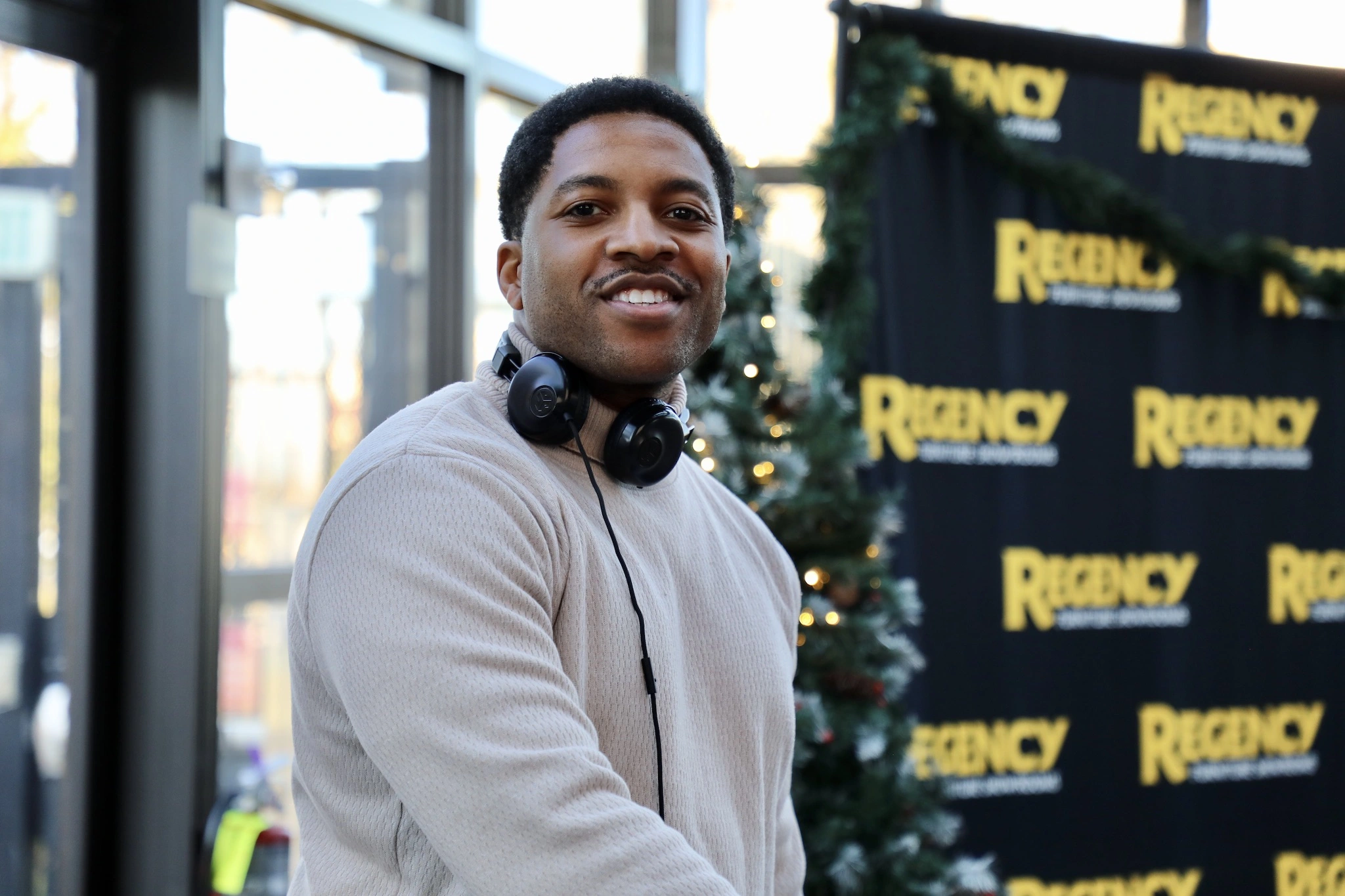
The clearest signal of operator quality is whether senior planners book the same person twice. DJ Reese has executed repeat engagements for LIDL US across multiple grand opening cycles, returned to PUMA brand activations on consecutive campaign cycles, and rebooked annually for Fox Corporation programs and Adidas team events. Repeat bookings happen for one reason — the operational layer holds up. Run-of-show coordination is reliable. The seven failure modes above never show up because the operator has systems for each one. Why corporate events fall flat is the question planners ask once after a bad booking, and they never ask it again after a good one.
Service metros include New York, Washington DC, Los Angeles, Philadelphia, Atlanta, and the full New Jersey tri-state. Travel happens nationwide for the right project. For urgent timelines, direct contact at [email protected] or (856) 538-2582 gets a same-day response. DJ Reese has been the experience designer behind LIDL US grand openings, PUMA brand activations, Fox Corporation internal programs, and Fortune 500 corporate events nationwide since 2007. Seven plus years of operator-first execution behind every booking, and 105 Google reviews at five stars to back it up.
Real Examples From Fortune 500 Work
DJ Reese has executed Fortune 500 corporate events where every one of these failure modes was avoided through deliberate operator work. At a PUMA brand activation, the music-driven dwell time produced $75,000 in three-hour product sales because the energy curve was engineered. At 9/11 Day with New York Cares, holding the energy of 6,000+ volunteers for hours enabled the team to pack over 2 million meals. At LIDL US grand openings, foot traffic momentum at the door translated directly into store-wide attendance.
Each booking demonstrated the same operator framework — read the room, design for the outcome, never leave a transition to chance. The events that get remembered are the events where someone owned the operational layer end-to-end. The events that get forgotten are the ones where the production team stayed in their lanes and nobody connected the dots between the segments.
What Most Planners Get Wrong
The most common planner mistake is treating entertainment as a line item separate from program execution. The DJ gets booked from a different vendor list than the speakers. The emcee gets selected from on-camera talent rather than operational operators. The lighting designer never coordinates with the music programming. Each piece does its job well in isolation, but the room feels disconnected because nobody owned the connections between pieces. The fix is treating the operator behind the music and emcee as a peer of the producer and AV teams, not a vendor adjacent to them.
The second planner mistake is buying on price. A corporate operator who delivers Fortune 500-grade execution does not cost the same as a wedding DJ taking a corporate gig. The price gap reflects the operational scope, the brand-safe music vetting, the pre-event prep time, the real-time room reads, and the contingency planning for mid-event shifts. Buying the cheaper option to save $1,500 on a $50,000 corporate program is the budget decision that creates the flat-event experience the rest of this article describes.
What Goes Into the Pre-Event Planning Call
The pre-event planning call is where the framework gets built. The operator walks through the run-of-show document line by line. Speaker handoff timing. Awards segment cadence. Sponsor activation moments. Brand-safe music limits. Audience demographic notes. Venue specifics. Out of that call comes the cue sheet, the transition sting script, the pre-staged backup library, and the contingency plan for the most likely mid-event scope shifts. By the morning of the event, every cue is rehearsed and every backup is staged.
Planners new to working with a senior operator sometimes ask whether all of this prep work is necessary. The honest answer is that the prep is what makes the on-event execution invisible. Without it, the operator improvises during the event, which the audience feels even if they cannot name what is wrong. With it, the audience experiences a program that feels designed without ever noticing the design.
Service Areas and How to Start the Conversation
Primary service metros include New York, Washington DC, Los Angeles, Philadelphia, Atlanta, and the full New Jersey tri-state area. Travel happens nationwide for the right project. For urgent timelines, direct contact at [email protected] or (856) 538-2582 gets a same-day response. DJ Reese has been the experience designer behind Fortune 500 corporate events nationwide since 2007. Seven plus years of operator-first execution and 105 Google reviews at five stars back the work.
The Honest Diagnostic Question
If you have run corporate events and felt the room slip without being able to name why, the diagnostic question is simple: which of the seven reasons why corporate events fall flat showed up in your program? The energy curve, the speaker transitions, the brand register, the mid-event shifts, the awards segment, the closing arc, or the wrong operator hire. Most flat events involve at least two of these. Why corporate events fall flat is usually not a single dramatic failure — it is two or three quiet operational gaps compounding across hours of the program.
The good news is that every one of the seven reasons why corporate events fall flat is fixable. The fix lives in pre-event prep, operator selection, and clear ownership of the operational layer between agenda items. Why corporate events fall flat is a question that gets answered in the planning call, not on event day. Why corporate events fall flat is rarely about money — it is about whether the production team has someone owning the gaps between segments, and whether that someone is calibrated to the brand register before doors open.
Senior planners who have run events for years and never want to ask why corporate events fall flat again about their own programs converge on the same operator profile: someone who works the energy curve as a discipline, scripts every transition, runs brand-vetted music libraries, has systems for mid-event shifts, anchors the awards segment, engineers the closing arc, and gets booked because their scope matches the program rather than because their price is the lowest. That profile is the answer.
One last operational note for senior planners reviewing the seven reasons above: each one has a corresponding pre-event prep practice that prevents it. Map the energy curve before the agenda. Script every transition before doors open. Calibrate the brand register in the planning call. Stage contingency plans for the most likely scope shifts. Pre-script every award read. Engineer the closing arc with intention. Hire the operator whose scope matches the program. These seven prevention disciplines are what separate the events leadership remembers as polished from the ones that just happened.