Corporate event music programming is a discipline most operators do not study and most planners do not understand. The corporate event music programming work is the operational layer that decides what plays when, at what volume, with what brand-safe vetting, matched to which energy curve beat across hours of program. Real corporate event music programming is closer to film scoring than to playlist building. Here are seven operator rules Fortune 500 brands use to apply corporate event music programming at scale.
What Real Corporate Event Music Programming Means
Corporate event music programming starts with the energy curve, not the playlist. Real corporate event music programming maps the intended emotional arc of the program first, then matches track selection to that arc. Arrival programming differs from cocktail-hour programming, which differs from program-block programming, which differs from awards programming, which differs from closing programming. Each window has its own intent and its own track-selection logic.
The Seven Operator Rules of Corporate Event Music Programming
1. Vet Every Track for Brand-Safe Lyrics
The first rule of corporate event music programming is non-negotiable: every track gets vetted for lyrics, artist controversy, and brand-tone fit before the event date. Pharmaceutical companies carry different tone constraints than streaming platforms. Federal contractors sit at different defaults than tech startups. Corporate event music programming at premium level runs on pre-cleared libraries calibrated to the brand register.
2. Match the BPM to the Block
Corporate event music programming uses BPM (beats per minute) as a primary tool. Cocktail hour runs 90-110 BPM for conversation-friendly tone. Program blocks run 100-115 BPM for steady attention. Award walk-ons run 115-125 BPM for celebratory energy. Closing arcs run 120+ BPM. The right BPM at the right block is what makes corporate event music programming feel intentional rather than random.
3. Calibrate Volume to Room Acoustics
Corporate event music programming includes volume calibration as a real discipline. The same playlist at the wrong volume undoes the work. Ballrooms with high ceilings need different output than carpeted breakout rooms. Glass-walled lofts need different output than wood-paneled hotel meeting spaces. The operator who handles corporate event music programming reads venue acoustics in the first hour and adjusts continuously.
4. Cross-Generation Programming
Most corporate events span four generations. Corporate event music programming has to give every generation thirty minutes that feels like theirs. The seventies and eighties block. The nineties and 2000s peak. The current chart bridge. The classic dance floor closer. Operators who default to one demographic alienate the rest of the room.
5. Pre-Script Transition Stings
Corporate event music programming includes a full transition sting script for every speaker handoff. Outgoing energy beat. Clean cue handoff. Incoming energy match for the next speaker. The audience never feels the transition because the corporate event music programming has handled it before doors opened.
6. Stage Backup Libraries
Corporate event music programming at senior level always includes backup laptops pre-loaded with the entire library. Equipment fails. Tracks unexpectedly do not stream. The backup library is what keeps corporate event music programming on rails when the primary system has a problem.
7. Deliver Post-Event Programming Notes
The last rule of senior corporate event music programming: deliver a post-event recap. What worked. What landed at peak moments. Which tracks drove engagement. Repeat bookings build on this data. The corporate event music programming operator who treats every booking as a one-off leaves learning on the table.
When Corporate Event Music Programming Becomes Critical
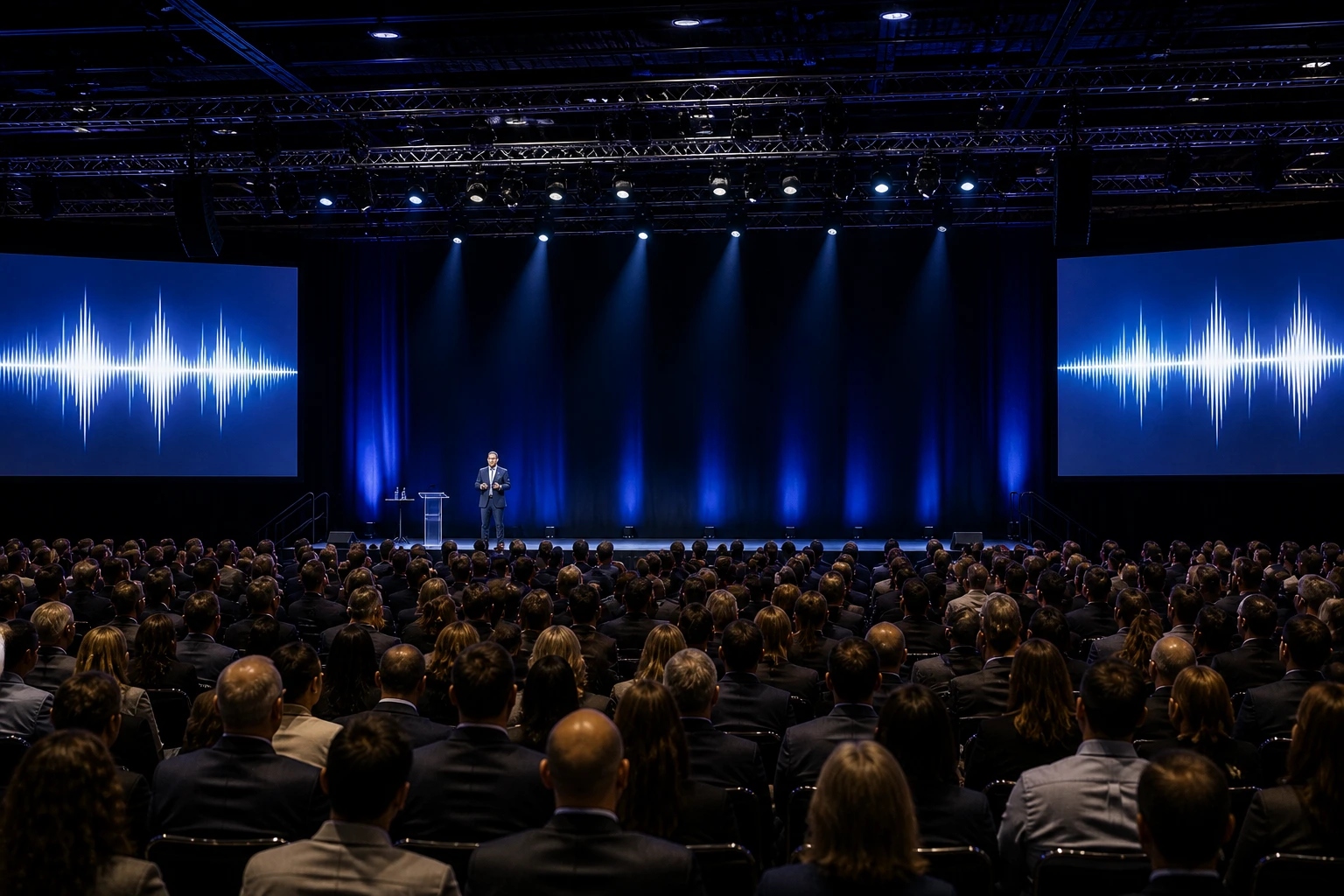
Corporate event music programming becomes critical when leadership is in the room, when the program runs longer than 90 minutes, when the audience profile requires brand-register precision, or when the event will be filmed for post-event distribution. At those thresholds, generic playlist work fails and real corporate event music programming becomes the operational backbone of the program.
Cost-wise, corporate event music programming is bundled into the corporate operator rate — typically $5,000-$10,000 for single-event engagements. For multi-day conferences with extensive music programming across consecutive days, package pricing scales accordingly.
How to Book
The fastest path to a real conversation is the pricing calculator on this site — it returns a real-world estimate in under thirty seconds. For industry context, see resources from BizBash. Related reading: experiential design for corporate events, keep energy up at corporate events, audience engagement ideas, and corporate DJ pricing calculator.
Why Repeat Clients Keep Booking
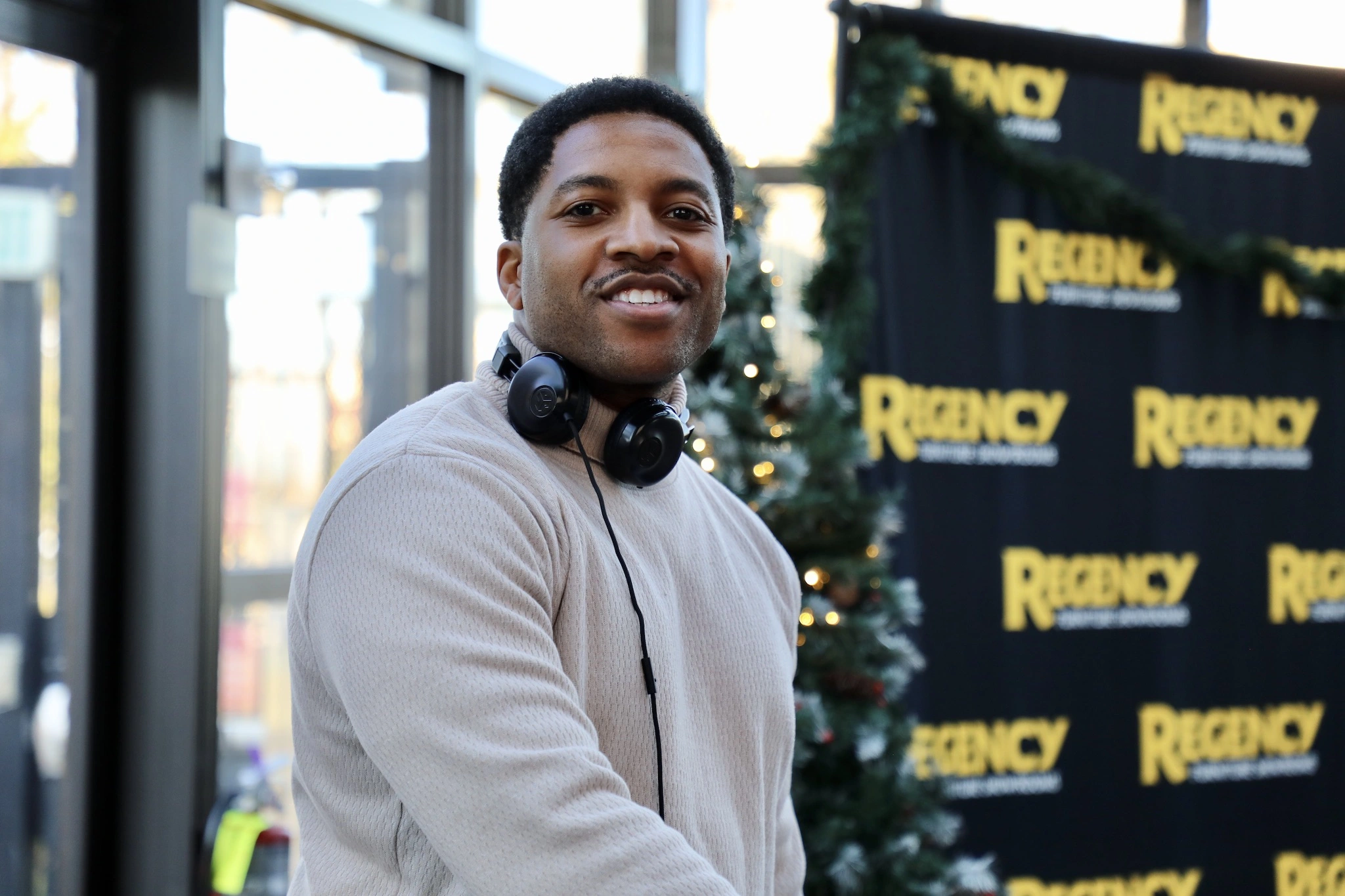
DJ Reese has executed repeat engagements for LIDL US across multiple grand opening cycles, returned to PUMA brand activations on consecutive campaign cycles, and rebooked annually for Fox Corporation programs. Repeat bookings happen because the operational layer holds up. Service metros include New York, Washington DC, Los Angeles, Philadelphia, Atlanta, and the full New Jersey tri-state. Travel happens nationwide. For urgent timelines, direct contact at [email protected] or (856) 538-2582. DJ Reese has been the experience designer behind Fortune 500 corporate events nationwide since 2007. Seven plus years of operator-first execution and 105 Google reviews at five stars to back it up.
Real Examples From Fortune 500 Work
At a PUMA brand activation DJ Reese designed, the music programming drove $75,000 in three-hour product sales because the energy curve was engineered. At 9/11 Day with New York Cares, holding the energy of 6,000+ volunteers for hours enabled the team to pack over 2 million meals. At LIDL US grand openings, foot traffic momentum at the door translated directly into store-wide attendance. Each booking demonstrated the same operator framework — read the room, design for the outcome, never leave a transition to chance.
What Most Operators Get Wrong
The most common failure mode is treating the work as a playlist exercise. Operators who run on instinct alone get lucky in some rooms and crater in others. The discipline shows up in the vetting work, the volume calibration, the cross-generation balance, and the post-event recap. Without that discipline, the operator improvises during the event, which the audience feels even if they cannot name what is wrong.
The second failure mode is over-relying on one genre or one era. Some operators default to whatever music they personally enjoy, which signals immediately to senior planners that the operator has not done the brand prep work. The right operator reads the brand register in the planning call, reviews the audience demographic profile, and arrives with a vetted library calibrated to the company culture rather than the operator personal taste.
What Goes Into the Pre-Event Planning Call
The pre-event planning call is where the framework gets built. The operator walks through the run-of-show document line by line. Speaker handoff timing. Awards segment cadence. Sponsor activation moments. Brand-safe music limits. Audience demographic notes. Venue specifics. Out of that call comes the cue sheet, the transition sting script, the pre-staged backup library, and the contingency plan for the most likely mid-event scope shifts. By the morning of the event, every cue is rehearsed and every backup is staged.
Planners new to working with a senior operator sometimes ask whether all this prep work is necessary. The honest answer is that the prep is what makes the on-event execution feel effortless. Without it, the operator improvises during the event, which the audience feels even if they cannot name what is wrong. With it, the audience experiences a program that feels designed without ever noticing the design.
Why Repeat Clients Keep Booking
The clearest signal of operator quality is whether senior planners book the same person twice. DJ Reese has executed repeat engagements for LIDL US across multiple grand opening cycles, returned to PUMA brand activations on consecutive campaign cycles, and rebooked annually for Fox Corporation programs and Adidas team events. Repeat bookings happen for one reason — the operational layer holds up. Run-of-show coordination is reliable. Mid-event scope shifts get handled without escalation. The program runs as designed from arrival to load-out.
Senior planners do not have time to babysit a vendor. They book operators who handle the entire scope independently and surface only what genuinely requires their attention. That dynamic is the reason senior planners pay senior rates — not because the music is better, but because the operational reliability frees the planner to focus on the parts of the program only they can run.
Service Areas and Contact
Primary service metros include New York, Washington DC, Los Angeles, Philadelphia, Atlanta, and the full New Jersey tri-state area. Travel happens nationwide for the right project — major galas, multi-day conferences, brand activations, and signature corporate programs travel as a matter of course. Out-of-state quotes factor in flight, ground transportation, accommodations, and any gear shipping or rental at destination.
For urgent timelines, direct contact at [email protected] or (856) 538-2582 gets a same-day response. DJ Reese has been the experience designer behind LIDL US grand openings, PUMA brand activations, Fox Corporation internal programs, and Fortune 500 corporate events nationwide since 2007. Seven plus years of operator-first execution behind every booking, and 105 Google reviews at five stars to back it up. The fastest path to a real conversation is the pricing calculator on this site.
A Note on Booking Timing
Q4 holiday season and Q1 conference season are the busiest stretches on the corporate event calendar. Lock in senior operators six months out for premium dates. Multi-day national conferences at major venues often book operators nine to twelve months in advance. The smartest planners run their operator booking on the same timeline as their venue booking, which removes the late-stage scramble.
One last operational note for senior planners: the prep work invisible to the audience is what makes the on-event execution feel effortless. Without it, the operator improvises during the event, which the audience feels even if they cannot name what is wrong. With it, the audience experiences a program that feels intentional from arrival to load-out.
Programs that hit this standard tend to repeat year after year with the same operator. Senior planners who have run events for years converge on the same operator profile — someone who handles the operational layer end-to-end, surfaces only what genuinely requires attention, and delivers programs leadership remembers.
The fastest path to a real conversation about your next program is the pricing calculator on this site. From there, a planning call walks through the specifics and the full proposal arrives within forty-eight hours.
Pricing for senior corporate work that includes deep music programming typically starts at $5,000 for a standard single-event engagement and scales to $10,000-$15,000+ for galas, multi-day conferences, and brand activations with extensive production requirements. The investment reflects the operational scope.
Service metros include New York, Washington DC, Los Angeles, Philadelphia, Atlanta, and the full New Jersey tri-state. Travel happens nationwide for the right project. For urgent timelines, direct contact gets a same-day response. DJ Reese has been the experience designer behind Fortune 500 corporate events nationwide since 2007 — seven plus years of operator-first execution and 105 Google reviews at five stars back the work.
Bottom line for senior planners: the music portion of your corporate program is too important to leave to a wedding vendor or a generic playlist operator. Book the right hire, brief them properly, and the program runs the way it was designed to run.
The fastest way to evaluate any operator is to ask them how they handle the moments between obvious peaks. Strong operators have detailed answers about cocktail hour programming, awards pacing, sponsor moments, and closing arcs. Weak operators describe what they will play. The difference in answer depth tells you exactly what you are about to book.
Bottom line: senior corporate work runs on operational discipline that takes years to build and minutes to evaluate. The right hire shows up in the planning call, holds up through the event, and earns the rebook by handling the parts of the program the planner did not have to think about.
One last thing worth saying for senior planners: the operator hire shapes how the program reads back to leadership in the post-mortem. The right hire shows up in the recap as a non-issue, which is exactly what you want from any vendor on event day. The wrong hire shows up as the thing that needed managing. Aim for the first.
Real corporate event music programming is the operational discipline that separates polished Fortune 500 work from generic event work. Book the right operator and the discipline shows up automatically.