Corporate DJ contract terms can make or break a corporate event. Most planners sign without asking the right questions and then discover too late that scope, cancellation policy, and run-of-show details were never properly covered. Here are five questions to ask before you sign any corporate DJ contract.
1. What happens if the run-of-show shifts mid-event?
You want a DJ who answers this with a specific protocol — not “we will figure it out.” Corporate events shift. Speakers run long. Sponsors push moments earlier. The DJ needs a system for handling it without breaking the program.
2. What is your backup setup?
Two DJ controllers. Two laptops. Pre-loaded music library on each. Redundant power. If they do not have a backup, they have never had a piece of equipment fail mid-event.
3. How do you handle audio coordination with the venue AV team?
The right answer involves a soundcheck with the venue’s audio lead, a clear line on who controls the mics, and a verified handoff process for keynote microphone audio.
The wrong answer is “we bring our own system, the venue does not matter.” You are going to have audio conflicts mid-program.
4. What does the music selection process look like before the event?
You want a planning call. You want them to ask about the audience demographics, the brand voice, the segments that need specific energy. If they are showing up cold to read the room — you are paying premium for amateur work.
5. What is your cancellation and rescheduling policy?
Corporate events get postponed. You want a DJ whose contract handles this without making it expensive or hostile.
What to do with the answers
If the DJ cannot answer 1–4 clearly: keep looking.
If they answer all five with specifics: get a price for your event.
Two More Questions Most Planners Forget to Ask
6. How do you handle a power failure mid-event? The right answer involves a UPS or battery backup on the DJ controller, backup laptops pre-loaded with the music library, and a coordination protocol with the venue’s AV team if the building loses power. The wrong answer is “that has never happened to me.” If they have done enough corporate event DJ work, it has happened.
7. What is your protocol for a sick day-of? If your DJ wakes up sick on event day, who shows up? A corporate event DJ veteran has a peer network and a clear backup plan. The wrong answer is “I have never been sick.” The right answer is a name and a confirmed handoff.
Three Red Flags in Corporate Event DJ Contracts
Vague scope. If the contract does not specify what is included vs what is overage (emcee work, planning calls, late-night extensions, branded gear), the contract is set up to surprise you. A clear corporate event DJ contract lists every deliverable explicitly.
No cancellation clarity. Corporate events get postponed. The contract should say exactly what happens if your event moves: full transfer, partial refund, rescheduling window, retainer treatment. If the contract is silent, you are paying for ambiguity.
No insurance clause. Professional corporate event DJ work carries event liability coverage. If the contract does not mention insurance, the operator does not have it — and you are taking on the venue’s exposure when they ask for proof of insurance.
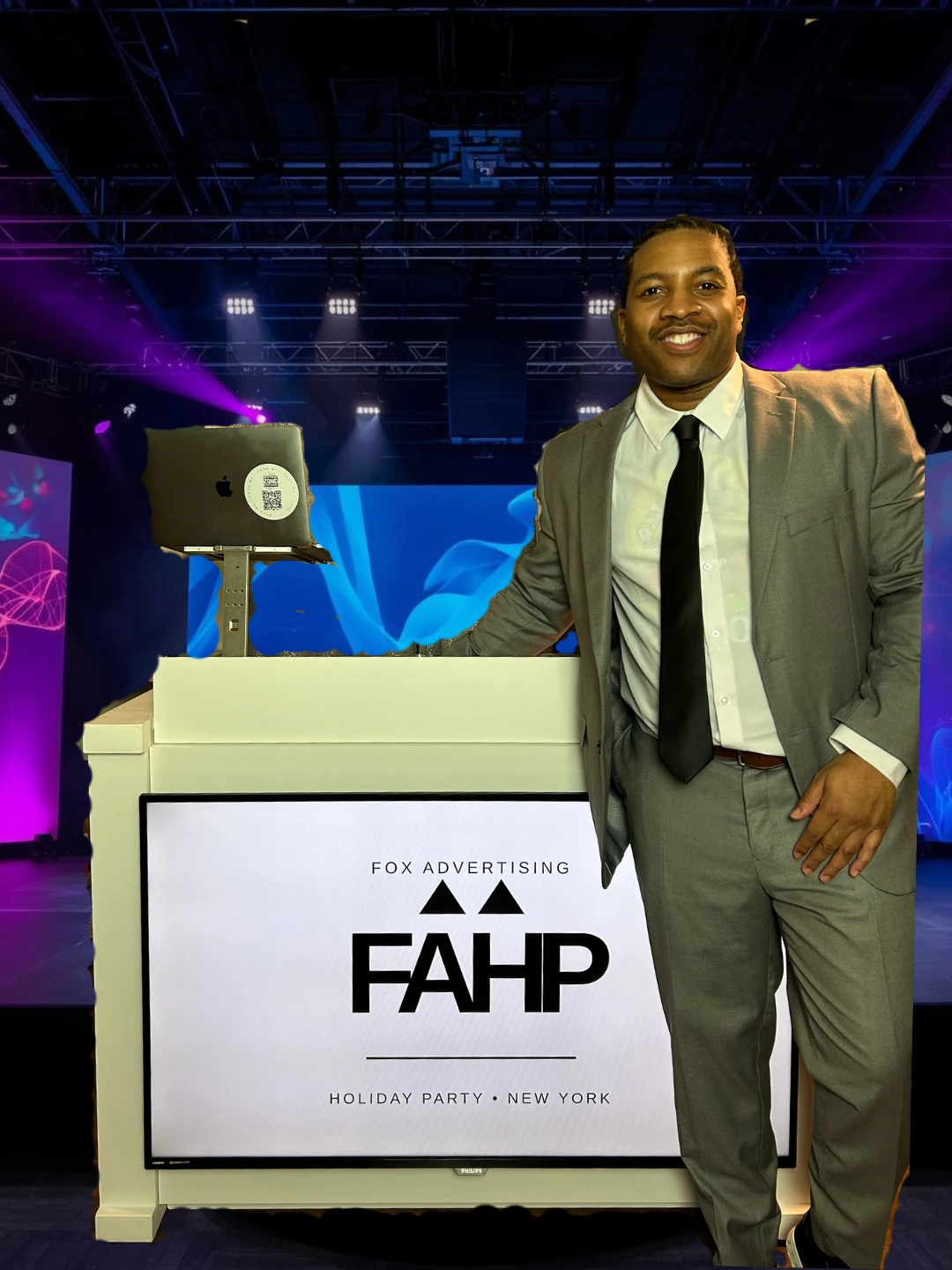
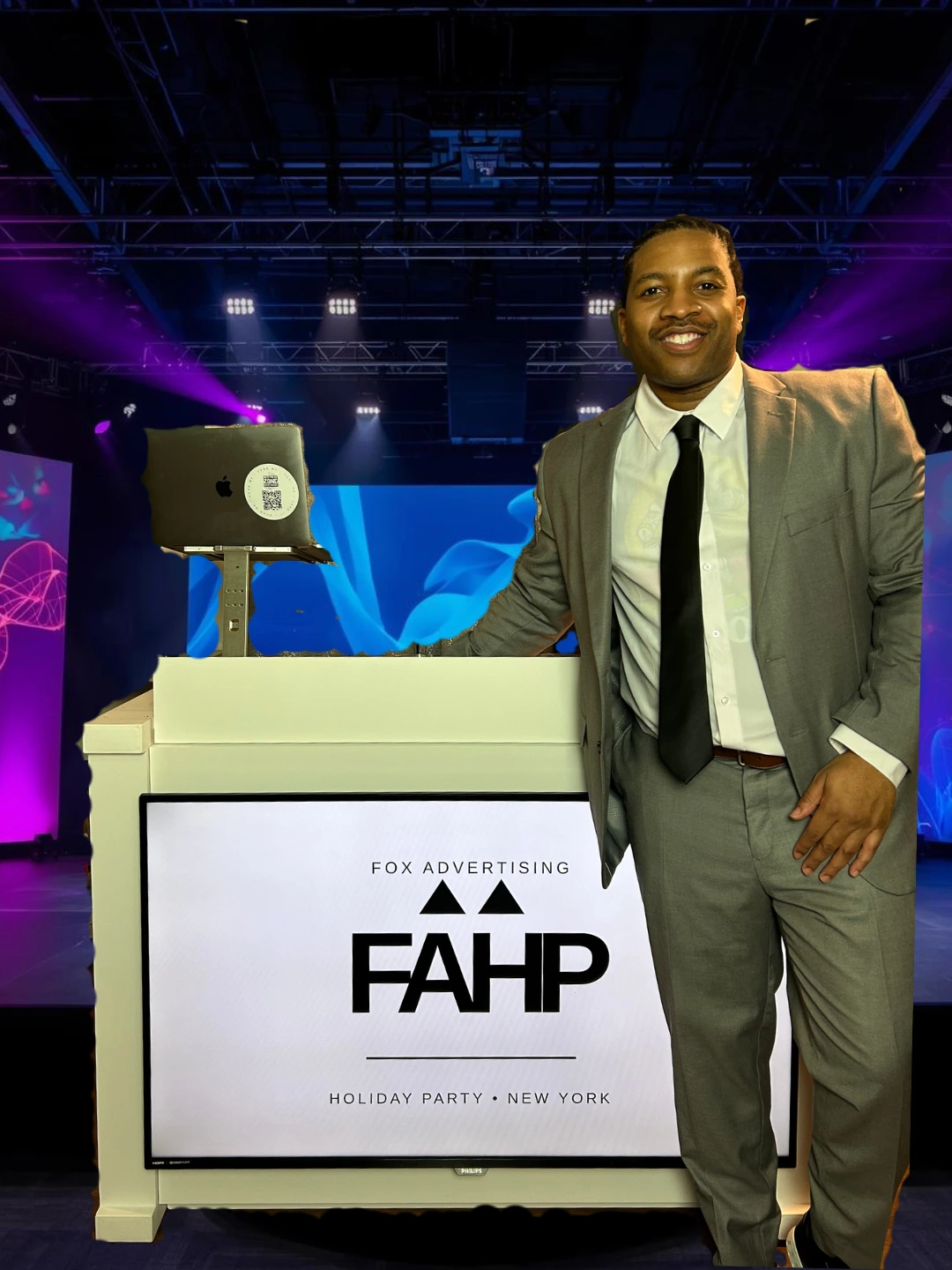
Written by DJ Reese. I am a corporate event DJ and Event Experience Designer behind LIDL US grand openings, PUMA brand activations, and Fortune 500 corporate events. I work with corporate event planners, conference organizers, and experiential marketing agencies nationwide — NYC, DC, LA, Philly, Atlanta, and NJ.

Key Takeaways on Corporate DJ Contract
A corporate DJ contract protects both sides of the booking. The right contract spells out scope, timing, deliverables, cancellation terms, and the operational details that determine whether your event runs smooth or stalls.
DJ Reese has executed Fortune 500 corporate events for brands including LIDL US, PUMA, Fox Corporation, CBRE, and Adidas. Every booking applies the same operator-level approach to corporate DJ contract: read the room, design for the outcome, and never leave a transition to chance. For industry-level context on corporate event execution, see resources from BizBash, the leading publication for event professionals.
Related Pages on Corporate DJ Contract
For more on corporate DJ contract and related corporate DJ topics, see: Corporate DJ Pricing Calculator, Corporate Event DJ Cost Guide, Conference & Summit DJ Services, Gala & Awards DJ Services, Brand Activation DJ Services, and Executive & Private Function DJ Services.
Frequently Asked Questions About Corporate DJ Contract
What should a corporate DJ contract always include?
A solid corporate DJ contract includes scope of work, run-of-show coordination terms, cancellation policy, travel and accommodation handling, equipment list with backups, liability insurance verification, and a clear payment schedule. Every corporate DJ contract should also specify what happens if program timing shifts mid-event.
How does DJ Reese approach corporate DJ contract?
DJ Reese approaches corporate DJ contract from seven years of designing experiential events for Fortune 500 brands. The approach is operator-first: every event is treated as program execution, not a music slot. To start a conversation about corporate DJ contract for your next corporate event, request a planning call or use the Corporate DJ Pricing Calculator for an instant baseline estimate.
Deep-Dive Guide to the Corporate DJ Contract
The 7 Clauses Every Corporate DJ Contract Should Include
A complete corporate DJ contract covers scope of work, run-of-show coordination terms, cancellation policy with sliding-scale refunds, force majeure provisions, equipment list with named backup units, liability insurance verification (typically $1M general liability), and a clear payment schedule. The strongest corporate DJ contract documents also include a music brief acknowledgment — proof the DJ has reviewed your brand-safe music policy, audience demographics, and any do-not-play list before the date. Anything less than these seven clauses leaves you exposed when something shifts.
How to Read Cancellation Terms in a Corporate DJ Contract
Cancellation language is where most planners get burned. A fair corporate DJ contract uses a sliding scale: 100% refund minus deposit if cancelled more than 90 days out, 50% if cancelled 30-90 days out, no refund inside 30 days. Avoid any corporate DJ contract that demands full payment regardless of cancellation date, or that has a flat non-refundable structure with no scale. These terms usually mean the operator is undercapitalized and uses every booking to cover the previous month.
Force Majeure and What the COVID Years Taught Corporate DJ Contracts
Pre-2020, force majeure clauses in a typical corporate DJ contract were boilerplate. After the pandemic, they need real teeth. The strongest contracts now include specific language covering government-mandated shutdowns, venue closures, declared health emergencies, and travel restrictions. A current corporate DJ contract should specify whether your deposit converts to a credit, gets refunded, or transfers to a rescheduled date — and within what time window.
Insurance Requirements in a Corporate DJ Contract
Any operator working Fortune 500 events should carry a minimum of $1M general liability insurance, with the venue and client listed as additional insureds on request. A real corporate DJ contract has a clause referencing this and naming the insurance carrier. Many corporate venues will not allow a vendor to load in without a certificate of insurance (COI) on file 14 days before the event. If your corporate DJ contract does not address this, you will be the one chasing paperwork the week of the event.
The Mid-Event Scope Change Clause Most Corporate DJ Contracts Lack
Speakers run long. Sponsors change segment order. Awards programs reshuffle 90 minutes before doors open. The corporate DJ contract you sign should specify how mid-event scope changes are handled — whether the DJ stays past contracted end time at an hourly rate, what that rate is, and whether the change requires written approval or can be authorized verbally on-site. Without this clause, you end up negotiating overtime at midnight with the CEO standing five feet away.
Payment Terms That Protect Both Sides
A reasonable corporate DJ contract typically asks for a non-refundable deposit of 25-50% at signing, with the balance due 14-30 days before the event date. Net-30 or net-60 post-event terms are uncommon for corporate DJ work and a yellow flag if requested. The cleanest payment structure protects the operator from no-shows and protects you from paying in full before you know the event happens.
Red Flags in a Corporate DJ Contract
Five things to push back on in any corporate DJ contract: vague scope (“DJ services for event”), no equipment list, no cancellation scale, no insurance reference, and no clear point of contact for day-of coordination. Any one of these on its own is fixable. Two or more together suggest the operator handles corporate work the way wedding DJs do — and your CEO will feel the difference when something goes sideways.
Working With an Experience Designer Behind the Booth
DJ Reese is the experience designer behind LIDL US grand openings, PUMA brand activations, Fox Corporation internal events, and Fortune 500 conferences and galas nationwide. The approach to every booking is the same: read the room in real time, design for the outcome, and never leave a transition to chance. Seven years of Fortune 500 work has refined an operational system that handles the moments where most events stall.
Why Fortune 500 Brands Book DJ Reese
Three reasons surface consistently from repeat clients. First, run-of-show fluency — every event is treated as program execution, not a music slot, and the prep work shows. Second, brand-safe execution — agencies and meeting planners can hand off the music portion of the program knowing nothing will land in the wrong tone. Third, on-stage emcee capability — Reese has opened for The Eagles and Chicago, emceed and DJed a New Kids on the Block experiential activation, and held the energy of more than 6,000 volunteers at the 9/11 Day meal pack with New York Cares. The same person who handles the music handles the mic.
What to Expect From the Planning Process
Every engagement starts with a planning call to walk through your run-of-show document, audience demographics, venue specifics, and any brand-safe music limits or do-not-play preferences. From there, transition stings get scripted to your program timing, cue sheets get prepared for every speaker handoff, and a contingency plan gets built for likely mid-event scope shifts. By the morning of your event, every cue is rehearsed and every backup is staged.
Service Areas and Travel
Primary service metros include New York, Washington DC, Los Angeles, Philadelphia, Atlanta, and the full New Jersey tri-state. Travel happens nationwide for the right project — brand activations and multi-city corporate programs travel as a matter of course. Out-of-state quotes factor in flight, ground transportation, accommodations, and shipping or rental of gear at destination. International work is handled case by case.
How to Start a Conversation
The fastest path to a real quote is the planning call. Use the contact form on this site or reach out at [email protected] with your event date, venue, guest count, and scope. For a fast-baseline number before a full conversation, the on-site pricing calculator returns a real-world estimate in under 30 seconds based on event type, length, location, and add-ons. Either path gets you to the right answer quickly.
Common Planner Questions
How early should I book for a high-profile event?
For Q4 holiday programming, lock dates in by mid-summer at the latest. For annual conferences, six to nine months out is the sweet spot. For brand activations tied to product launches, build the entertainment scope into the campaign timeline from the first agency briefing rather than treating it as a last-minute line item. The operators worth hiring tend to be booked solid 90 days out from any major date.
What information should I have ready before the first conversation?
Bring your event date, venue address, expected guest count, target start and end times, the rough run-of-show if you have one, and any brand-safe music guidelines your team operates under. If you have not written a run-of-show yet, that is fine — a good operator will help you structure one. The more specific the conversation upfront, the more accurate the eventual proposal will be.
What happens between booking and event day?
Once a contract is signed, the planning process typically includes a music brief call, a run-of-show coordination call closer to the date, a cue sheet review with your AV team if applicable, and a final pre-event check-in 48 hours out. By the morning of the event, every transition is rehearsed in advance and the contingency plan for likely scope shifts is staged.
How does day-of communication work?
One designated point person on your team owns day-of communication. Quick verbal updates handle most mid-event shifts. Major scope changes get acknowledged in writing through text or email per the contract. Comms with the AV team, venue staff, and sponsor representatives flow through the operator directly without needing you in the middle of every decision.