Experiential design for corporate events is the difference between a program your leadership remembers and a program that fades by the following week. The work is not decoration. Experiential design for corporate events shapes how the room feels in real time — the arc of energy across hours, the way transitions move the audience, the moments that become the photos and the moments that become the conversations. Here are seven proven frameworks Fortune 500 brands use to apply experiential design for corporate events at scale.
What Experiential Design for Corporate Events Really Means
Experiential design for corporate events is the discipline of treating an event as a designed sequence, not a stack of agenda items. The corporate planner sets the agenda. The experiential designer shapes how each agenda item lands. Music selection, energy timing, lighting cues, transition stings, room-flow choreography — every element gets considered as part of the whole experience, not as isolated production line items. When experiential design for corporate events is done well, leadership remembers the program as flowing. When it is done poorly, the program feels stitched together.
The difference between standard event production and experiential design for corporate events is intent. Standard production hits the technical requirements — AV works, food arrives, speakers go on time. Experiential design for corporate events asks a different question: what should the room feel like at minute fifteen, minute forty-five, hour two, and how does the production support that feeling? That question rewrites how the room gets built.
The Seven Proven Frameworks for Experiential Design for Corporate Events
1. The Energy Curve Framework
Every corporate event has an energy curve. Experiential design for corporate events maps that curve before the agenda is finalized. Arrival energy starts low and builds. The first speaker peak sits about thirty minutes in. Energy dips through dinner and rebuilds toward the keynote. The closing rises to a controlled peak. Drawing this curve before booking entertainment lets the experiential designer match programming to the intended emotional arc. Without the curve, the program runs on accident.
2. The Run-of-Show as Living Document
Experiential design for corporate events treats the run-of-show as a living document, not a static schedule. The version printed Monday morning gets revised by Wednesday based on speaker confirmations. Day-of, transition timing shifts in real time as keynotes run long or short. The experiential designer maintains the cue sheets that match the current run-of-show version, with backup options pre-staged for the most likely scope changes. The run-of-show is the operational nervous system.
3. The Brand-Safe Tone Framework
Every brand has a tone register. Experiential design for corporate events vets music selection, transition styles, and emcee scripting against that register before the event date. A pharmaceutical company carries different tone constraints than a streaming platform. A federal contractor sits at different volume defaults than a tech startup. The experiential designer reads the brand brief and matches every element to the register. This vetting work happens in pre-production, not improvised live.
4. The Speaker Transition Framework
Speaker transitions are where most corporate events stall. Experiential design for corporate events scripts every transition with three elements: an outgoing energy beat, a clean cue handoff, and an incoming energy match for the next speaker. The audience never feels the transition because it has been designed. When transitions stall, leadership notices. When transitions land, leadership notices the speakers, not the transitions. That is the goal.
5. The Sponsor Integration Framework
Sponsors expect integration in corporate events, but heavy-handed sponsor moments break room flow. Experiential design for corporate events treats sponsor activation as a designed moment, not an interruption. The sponsor segment gets its own micro-energy curve, its own transition handling, and a clear return to the main program. Done well, sponsors get the impressions they paid for and the audience stays engaged. Done poorly, the room checks out for fifteen minutes and never fully returns.
6. The Documentation Layer
Most corporate events get filmed for internal use, sales enablement, or social distribution. Experiential design for corporate events accounts for the documentation layer in real time. Music choices during peak photo moments need to sound right in 30-second clips. Lighting at the award reveal needs to land in the recap video. Crowd energy during the keynote needs to read on camera as well as in the room. The experiential designer plans for both audiences simultaneously.
7. The Closing Arc
The last twenty minutes of a corporate event determine how leadership remembers the program. Experiential design for corporate events engineers that closing arc with intention — the controlled rise of energy, the moment the keynote hits its peak, the music that exits the room with the audience. Most events end on accident. The events leadership remembers end on purpose, and the closing arc is what makes the difference.
Real Examples of Experiential Design for Corporate Events
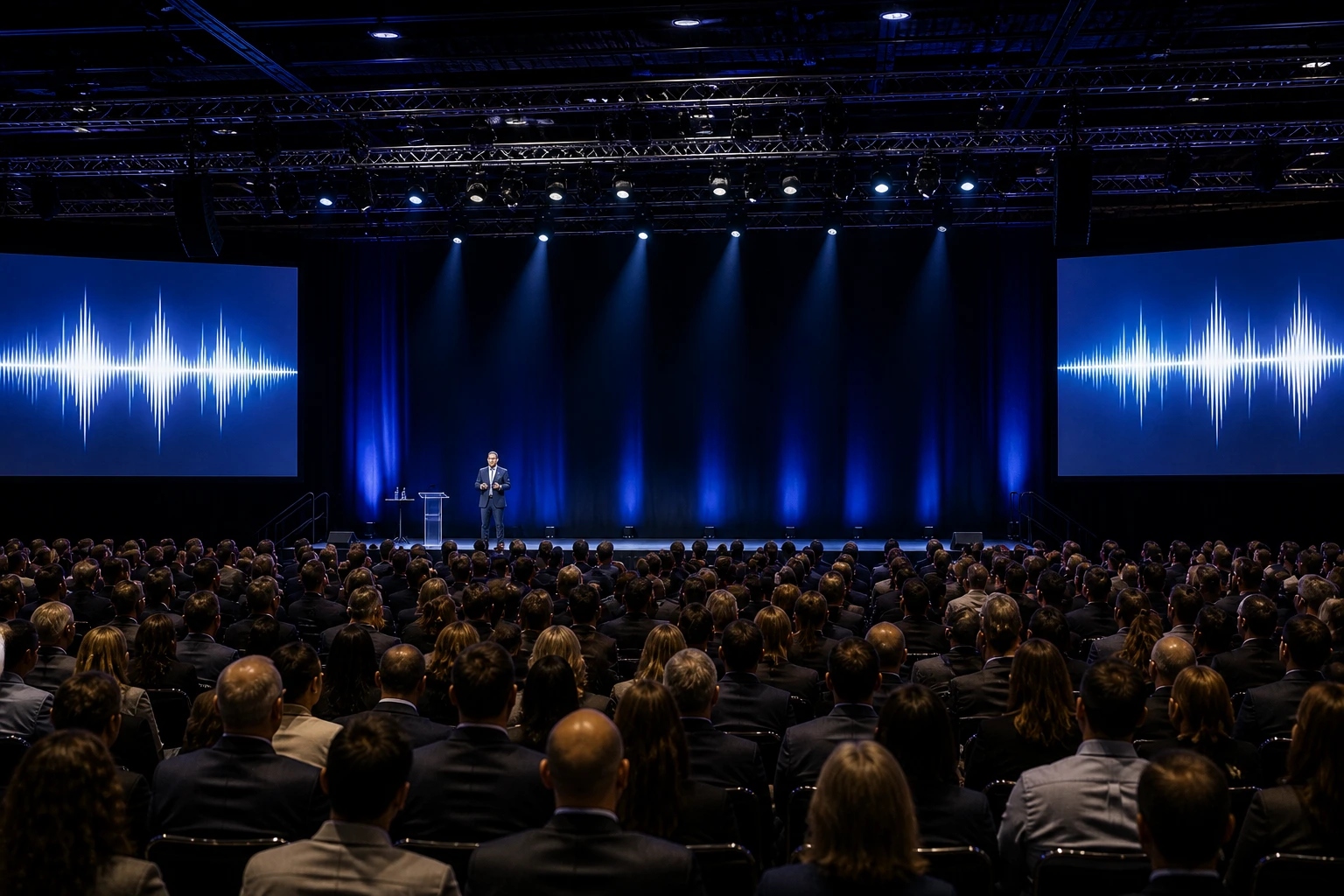
Experiential design for corporate events shows up in measurable outcomes. At the 9/11 Day meal pack with New York Cares, DJ Reese held the energy of more than 6,000 volunteers for hours while the team packed over two million meals. The design work was reading every section of the room every twenty minutes and adjusting before momentum dropped. At LIDL US grand openings, the design work was crowd flow management as foot traffic shifted hour to hour. Across both, the music was the lever and the experience was the outcome.
When Corporate Programs Need Experiential Design
Not every corporate program needs experiential design for corporate events. A small internal lunch meeting does not. A 250-person sales kickoff does. The threshold is whether leadership is in the room watching, whether the program runs longer than two hours, and whether multiple production elements need to coordinate. At that threshold, experiential design for corporate events stops being a luxury and starts being how the program actually works.
Cost-wise, experiential design for corporate events folds into the broader corporate event execution budget. It is not a separate add-on. A corporate operator who understands experiential design charges within the standard corporate event DJ range — typically $5,000-$10,000 for a single-event engagement. The design layer is what separates an operator at that rate from a wedding DJ pitching corporate work at the same number.
How to Bring Experiential Design for Corporate Events Into Your Next Program
The fastest path to bringing experiential design for corporate events into your program is a planning call with an operator who works in this discipline. Use the pricing calculator on this site to get a real-world estimate in under thirty seconds, then schedule the call. The full proposal includes the design framework, run-of-show coordination plan, and program-specific scope.
For industry-level context on experiential design and event execution standards, see resources from BizBash, the leading publication for event professionals. For related operator-tone reading, see: conference and summit DJ services, gala and awards DJ services, executive and private function DJ services, and the corporate DJ pricing calculator.
Frequently Asked Questions About Experiential Design for Corporate Events
What is the first step in applying experiential design for corporate events?
The first step in applying experiential design for corporate events is drawing the intended energy curve before the agenda is finalized. Map what the room should feel like at each major beat — arrival, opening, transitions, keynote, awards, closing. From there, production decisions follow the curve instead of fighting it.
Does experiential design for corporate events cost more than standard event production?
Experiential design for corporate events does not always cost more — it is often the same line items applied with more intention. Where it costs more is when the operator running the design layer brings senior-level execution. A DJ who works as an experiential designer charges more than a wedding DJ taking a corporate gig, but the cost differential is scope-justified.
Who handles experiential design for corporate events on event day?
Experiential design for corporate events on event day is typically owned by the lead operator behind the music and run-of-show coordination. The agency producer or in-house event planner runs the broader program. The experiential designer runs the room-level execution — energy, transitions, crowd flow, real-time adjustments. Together they execute the program as designed.
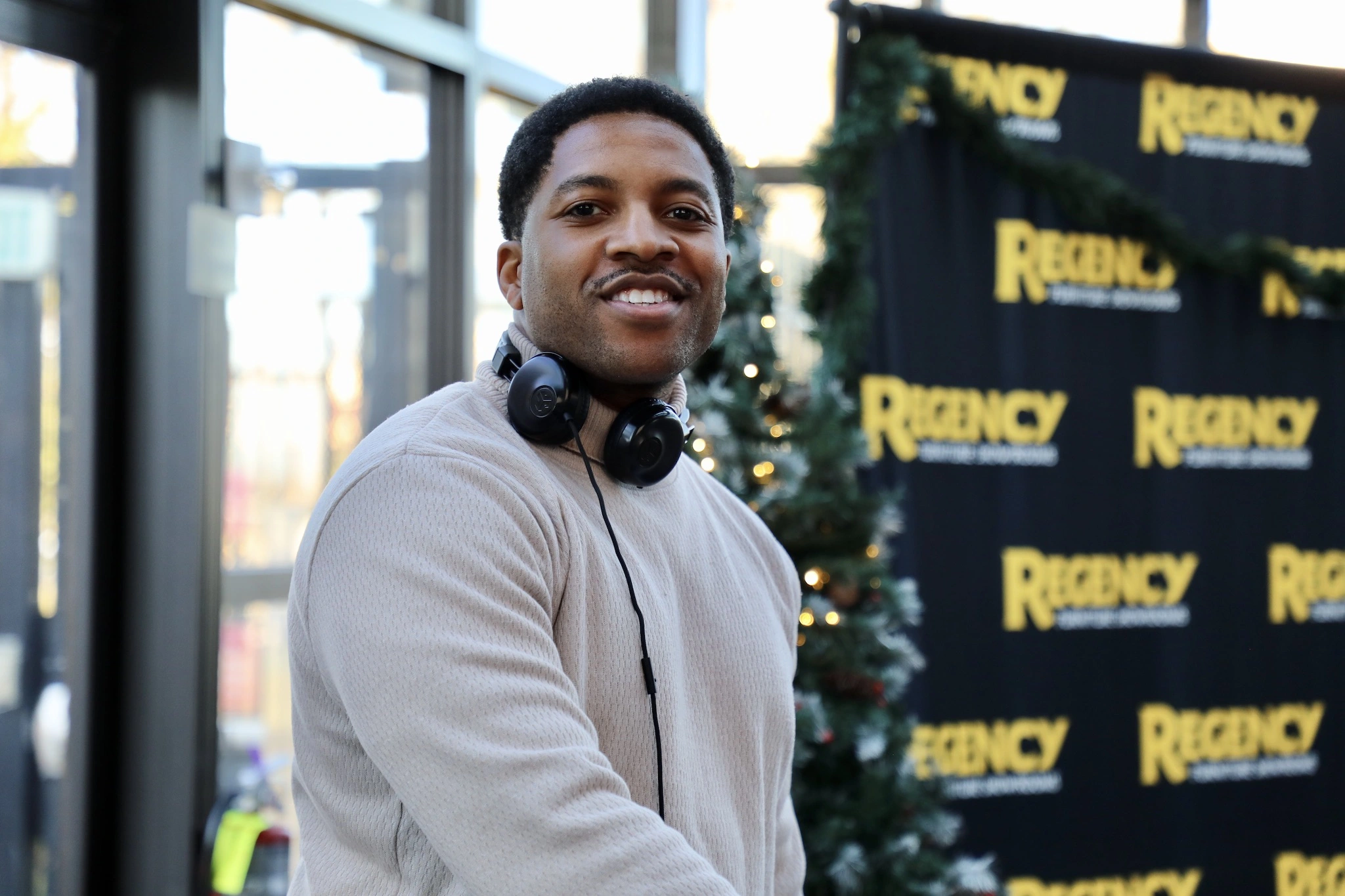
How DJ Reese Approaches Every Corporate Engagement
Every booking with DJ Reese starts with a planning call. That call is where the operator picks up the run-of-show document, the audience demographic read, the brand-safe music limits, the venue specifics, and any constraints the planner has not yet thought to mention. From that call comes the cue sheet, the transition stings, the pre-staged backup library, and the contingency plan for the most likely mid-event scope shifts. By the morning of the event, every cue is rehearsed and every backup is staged.
The operational layer is what most planners do not see when they book a DJ. The visible work is what the room sees: the music, the emcee moments, the announcements. The invisible work is what determines whether the program runs smooth. Cue sheets pre-built for every speaker handoff. Backup laptops pre-loaded with the entire music library so a primary failure means a fifteen-second swap, not a fifteen-minute crisis. Communication protocols agreed with the AV team and venue staff before doors open. The invisible work is the difference between corporate-grade execution and a wedding DJ pretending to do corporate work.
Why Repeat Clients Keep Booking
The clearest signal of operator quality is whether planners book the same person twice. DJ Reese has executed repeat engagements for LIDL US across multiple grand opening cycles, returned to PUMA brand activations on consecutive campaign cycles, and rebooked annually for Fox Corporation internal programs and Adidas team events. Repeat bookings happen for one reason — the operational layer holds up. Run-of-show coordination is reliable. Mid-event scope shifts get handled without escalation. The room flow is intentional from arrival to load-out.
Senior corporate planners do not have time to babysit a vendor. They book operators who handle the entire scope independently and surface only what genuinely requires their attention. That dynamic is the reason senior planners pay senior rates — not because the music is better, but because the operational reliability frees the planner to focus on the parts of the program only they can run.
Service Areas and Travel
Primary service metros include New York, Washington DC, Los Angeles, Philadelphia, Atlanta, and the full New Jersey tri-state area. Travel happens nationwide for the right project — brand activations, multi-city corporate programs, and major galas travel as a matter of course. Out-of-state quotes factor in flight, ground transportation, accommodations, and any gear shipping or rental at destination. International work is handled case by case based on production complexity and timeline.
How to Start a Conversation
The fastest path to a real quote is the pricing calculator on this site — it returns a real-world estimate in under thirty seconds based on event type, length, location, and add-ons. From there, a planning call walks through the specifics of your event and the full proposal arrives within forty-eight hours. For urgent timelines, direct contact at [email protected] or (856) 538-2582 gets a same-day response. Most premium dates in Q4 holiday season and Q1 conference season get locked ninety days out, so earlier conversations almost always produce better outcomes than later ones.
DJ Reese has been the experience designer behind LIDL US grand openings, PUMA brand activations, Fox Corporation internal programs, and Fortune 500 corporate events nationwide since 2007. The work is the same every time: read the room, design for the outcome, never leave a transition to chance. Seven plus years of operator-first execution behind every booking, and 105 Google reviews at five stars to back it up.
For corporate planners who have run events for years but want to push the design quality of their next program, the conversation starts with the run-of-show document already in hand. Bring what you have and the operator works from there. No starting over, no extra prep on your end. The collaboration moves from where the program already sits, not from zero.